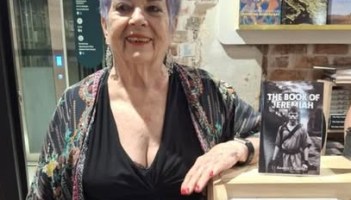
Beatriz Copello: 3 Poems from ‘The Book of Jeremiah’
Dr Beatriz Copello is a well-known reviewer, writer and poet, she is also known for her sense of humour.
A Journal of Australian & International Cultural Reviews, News and Criticism.
Dr Beatriz Copello is a well-known reviewer, writer and poet, she is also known for her sense of humour.
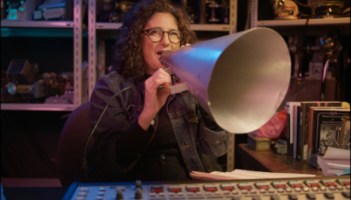
Breaking Plates is a dramatic silent film embellished by stunning dances which takes the observer to the past through old films of revolutionary women, films made between 1896 and 1926. These women from the old films converse with filmmakers of the present day.
Jeremiah is a complex and not always appealing figure, but that may be the point, as he is Copella’s vehicle for an examination of the contradictions and complexities of being human. In fact, one of the strengths of this book is its fearless honesty about human urges.

Unacquainted with Beatriz Copello’s work before (but eager now to catch up) I was drawn to this book because I’m both a poet and a witch

Dr Beatriz Copello, is an award-winning writer and a former member of NSW Writers Centre Management Committee. She writes poetry, reviews, fiction and plays. Her poetry books include Women Souls and Shadows, Meditations At the Edge of a Dream, Flowering Roots, Under the Gums Long Shade, Witches Women and Words and Lo Irrevocable del Halcon and Renacer en Azul (In Spanish). Other books include Copello are: A Call to the Stars, Forbidden Steps Under the Wisteria and Beyond the Moons of August (Her Doctoral Thesis). Her latest collection of poetry is No Salami Fairy Bread.

This is not an ordinary collection of poetry . It is the story of a life in poetry, a funny and poignant story written in poetic form. It follows the poets migratory life as a young woman, without English, who had to carry the early resistance of family

Looking In is a well-written book, Leibowitz has a very original voice, he moves from harsh words to tender ones, from the serious to the banal, from skepticism to certitude.

With poetry of cinematic quality, the poet tells the story of Rebecca Lieberman who was only fourteen with not much life experience or schooling, but she had strength of character and a skill, she knew how to read the fortune in tea leaves. A skill that helped her to survive.
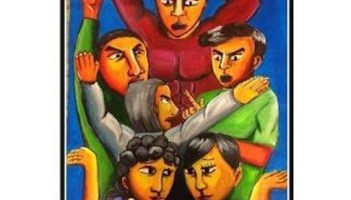
When the poetry book inãianei/now by Vaughan Rapatahana was given to me to review the cover, by Pauline Canlas Wu, not only intrigued me but also surprised me. Why? Because it portrays a group of men showing anger and two women with a resigned look on their faces and a hand expression that I interpreted as “What can we do?”. Once I read the book the cover made sense to me.
 Rochford Street Review